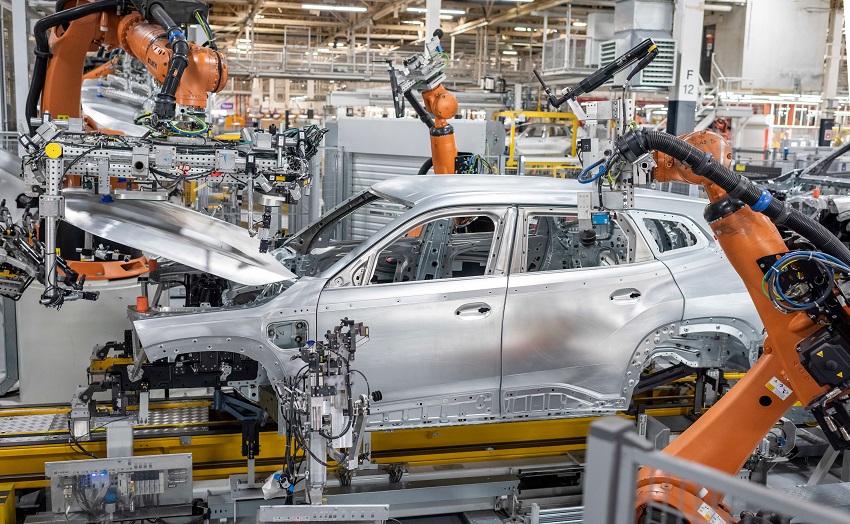

BMW Group will further reduce CO2 emissions in the supply chain. A particular focus is on CO2-intensive materials such as aluminium, steel and plastics. The BMW Group therefore plans to buy aluminium with significantly lower CO2 emissions from Rio Tinto in Canada from 2024. It recently signed an agreement to this effect.
Compared to conventionally manufactured aluminium, the group can save around 70 per cent of CO2 emissions with the aluminium from Canada. The planned delivery volumes are for vehicle production. For example, for body parts such as the bonnet, at BMW Group Plant Spartanburg in the US state of South Carolina.
Low-carbon aluminium
"We have clear targets for reducing CO2 emissions in the supply chain. We want to use innovative materials. By doing so, we can reduce the carbon footprint of our vehicles. Even before we hand them over to customers. The agreement to supply low-carbon aluminium is based on several pillars. Besides hydropower and a high percentage of secondary material, we also want to lead the way in the automotive industry by using more aluminium without direct CO2 emissions from the smelting process." So says Joachim Post. He is a member of the Management Board of BMW AG, responsible for Procurement and the supplier network.
Positive material properties
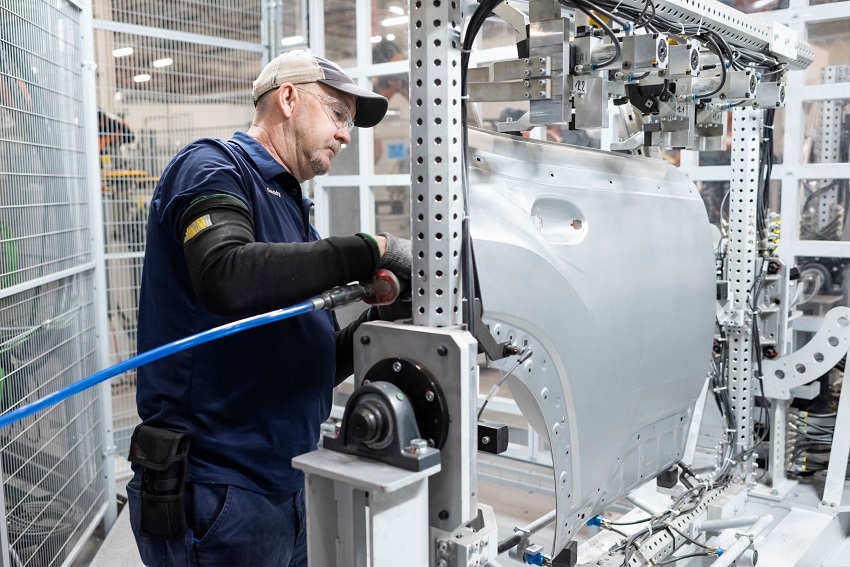
Aluminium has a relatively low weight and other positive material properties. This gives it a solid place in BMW Group's intelligent composite construction. In the supply chain of a mid-size all-electric car, around a quarter of CO2 emissions can be attributed to aluminium. This underlines the huge potential to reduce CO2 in the aluminium supply chain.
Innovative production process
BMW Group uses an innovative technology: the ELYSIS technology. This was developed for the production of aluminium. It revolutionises the smelting process required for production. In the process, the innovative method uses carbon-free anodes to eliminate all process-related CO2 emissions. The technology was first successfully tested on an industrial level in 2021. BMW Group plans to be one of the first customers to use this technology in production.
Other pillars
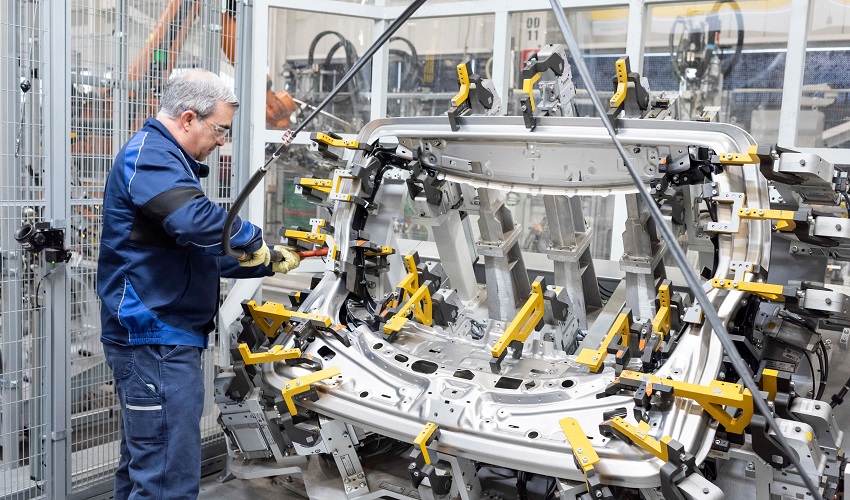
In addition to the carbon-free process, the agreement also covers aluminium alloys. These are produced using electricity from renewable sources, with CO₂ emissions amounting to just one-third of the sector average. The aluminium production facilities in Quebec run almost entirely on electricity from six local hydroelectric power stations. As a further contribution to resource conservation, up to 50 per cent recycled material is added to the end product.
Blockchain technology
use of Rio Tinto's blockchain technology also ensures full traceability of the aluminium all the way back to the original bauxite mine. This enables full transparency throughout the supply chain. It therefore plays an important role in verifying compliance with environmental and social standards for the extraction of raw materials.
Photos: BMW Group
Read also: BMW expands production of battery modules








