
The European Commission is expected to take a final decision this week on possible import duties on Chinese-made electric vehicles (EVs). By doing so, it says it wants to create a level playing field in the EV market and counter subsidies from the Chinese government. However, the plans also raise concerns about a potential trade war.
Several Chinese carmakers are now operating in the European market, in many cases offering EVs at relatively low prices. The European Commission claims this is possible due to "excessive subsidies" from the Chinese government. It launched an official investigation into these subsidies in October last year, and is considering intervening to prevent Chinese parties from flooding the European market with cheap EVs. For instance, the selling prices of Chinese-made EVs are said to be on average 20% lower than Western-made ones.
Americans preceded EU
If the EU does indeed introduce import duties on Chinese EVs, it will be following the United States’ lead. The US government recently announced a 100 per cent import duty on Chinese-made EVs.
By the way, European import duties on Chinese EVs are not entirely new; currently, the EU already imposes a 10% import duty on Chinese EVs. It is unclear how high any additional European import levies will be, although analysts expect them to be between 10% and 25%.
Substantial cost burden for Chinese manufacturers
Import duties are bad news for European importers of Chinese EVs, who are expected to lose substantially more money if they do. For instance, analysts expect every 10% of additional import duties imposed by the EU to cost importers a billion dollars. And that figure is expected to grow as Chinese manufacturers bring more and more EVs to the European market.
At first glance, Western EV manufacturers could benefit from the import duties, which would make Chinese EVs more expensive and therefore less attractive. Nevertheless, many European car manufacturers are not keen on the import duties. They fear retaliatory measures from the Chinese government, including Chinese import duties on Western cars. This, in turn, could cost European car manufacturers a great deal of money. Many European cars are popular in China, and the Asian country is a key market for European car manufacturers. Indeed, Mercedes-Benz CEO Ola Källenius previously called for the scrapping of the existing 10 per cent import tariff on Chinese EVs.
German chancellor is critical
German Chancellor Olav Scholz is also critical. Back in September, Scholz told Wirtschaftwoche that he was not convinced by import duties. Scholz argues that the European economic model should not be based on protectionism, but rather on producing attractive products.
Scholz recently reiterated his criticism of the plans in an interview with the Bloomberg news agency. The German Chancellor warns that such import duties could lead to isolation, which would ultimately make everything more expensive.
Not without cause
Scholz’s concerns are not without reason. The Chinese government has already announced that it will retaliate if the EU does indeed decide to impose import duties on Chinese EVs. In that case, it plans to impose import duties on Western cars.
Incidentally, many EVs currently imported to the EU are manufactured by Western carmakers. Think European BMW and Renault, but also US-based Tesla. However, the European Commission expects the share of EVs from Chinese carmakers to rise sharply in the coming years. Whereas in 2019, 1% of all EVs sold in the EU were Chinese-made, the percentage is now 8%. The European Commission expects this percentage to rise to around 15% by 2025.
Volvo Cars shifts production
Volvo Cars, part of Chinese group Geely, is not waiting for possible import duties. It has already started shifting production of EVs from China to Belgium, reports The Times based on sources within the group. Specifically, this involves the EX30 and EX90.
It reportedly previously considered halting sales of EVs manufactured in China in the EU if import duties are introduced. However, the company would refrain from this now that it is moving production for the European market to Belgium, reports The Times.
Author: Wouter Hoeffnagel
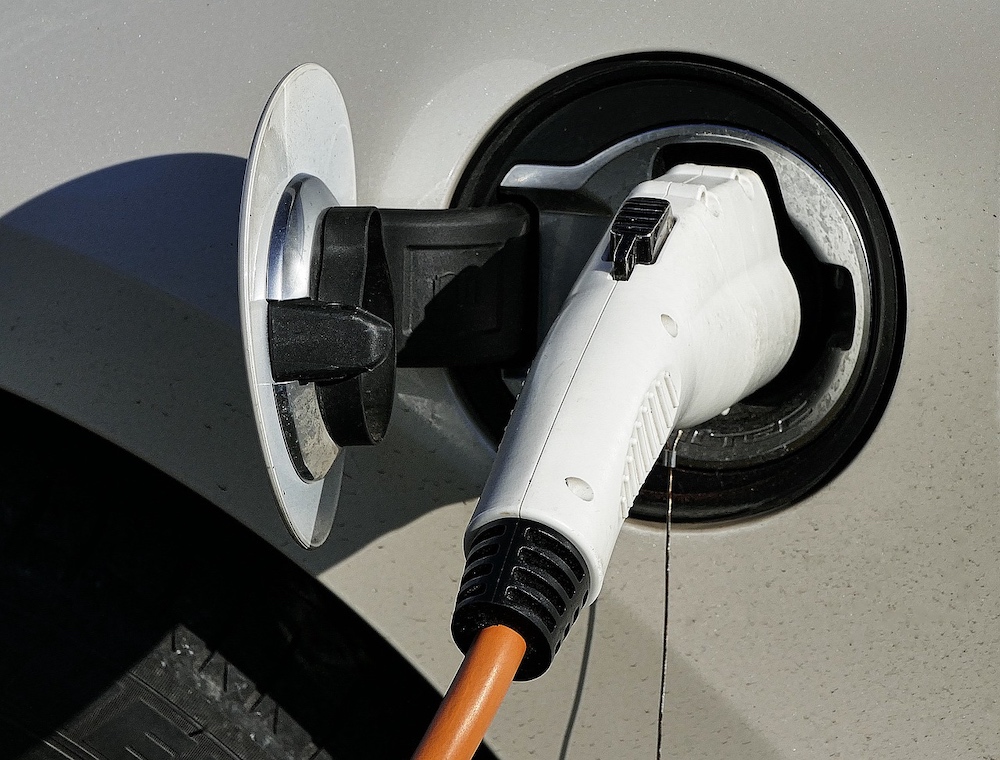
Photo: Wolfgang Eckert via Pixabay








