
Sustainability - that's what it's all about in construction at the moment. Not only in the Netherlands but also in all other parts of Europe. A special example of this is provided by Foster + Partners, which is currently renovating a 100-year-old and dilapidated industrial building in Madrid, Spain. The original shell remains but a modern and sustainable interior and energy-efficient features such as solar energy and rainwater harvesting make the building entirely 21st century.
The building was originally built in 1905 and was part of the local natural gas grid. In 2017, it was acquired by Acciona, a company committed to a sustainable combination of infrastructure and energy.
Acciona Ombú
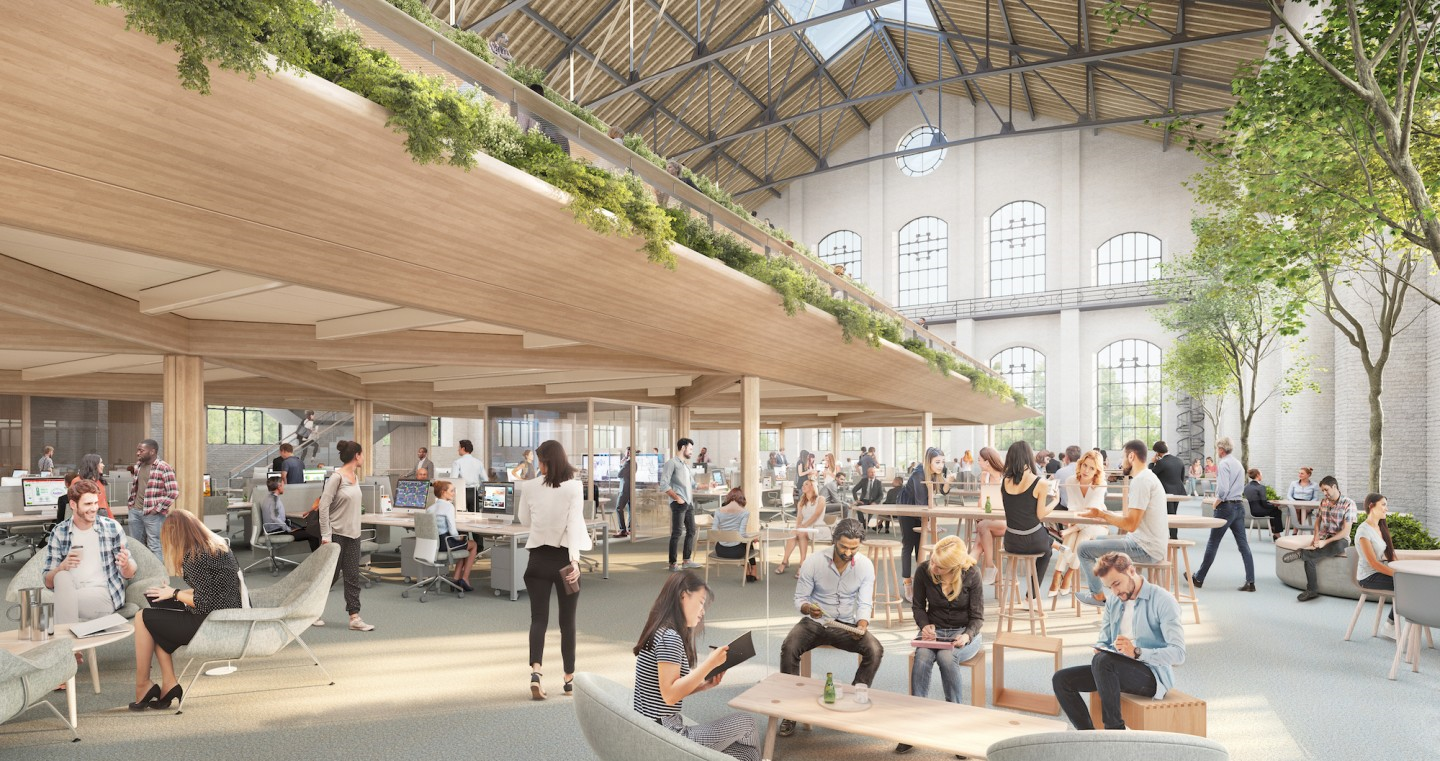
The project, named Acciona Ombú, comprises more than 10,000 square metres of new office space. Foster + Partners will use timber frame construction to place a series of floors under the existing roof. The proposals developed for this will also showcase a significant amount of green space. In addition, a large new courtyard will be created to connect to a park with more than 300 trees.
Taking full advantage of Madrid's mild climate, there will be areas for socialising and pleasant outdoor workplaces to complement the offices inside. This area will also connect to a nearby metro station.
The building now being transformed is a wonderful example of the work of Spanish architect Luis de Landecho from the early 20th century. Foster + Partners' design aims to preserve its original spirit while creating a workplace that is flexible and adaptable to new ways of working.
Sustainable implementation
The project will receive the LEED Gold rating for green buildings. LEED (Leadership in Energy and Environmental Design) is an evaluation and certification system for determining the sustainability performance of buildings. During the renovation, Foster + Partners plans to reuse 10,000 tonnes of brick present on the site. In addition, the firm believes that the use of the wooden structure for the office floors will save more than 1,000 tonnes of CO2 and also offers the advantage that it can be easily removed and recycled if needed in the future.
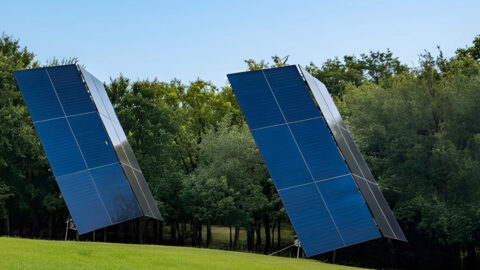
Solar panels further contribute to reducing the building's energy consumption. Furthermore, natural ventilation and daylighting will be promoted as much as possible. By collecting and storing rainwater, it can be used for irrigation purposes. Acciona Ombú is expected to be completed in 2022.