According to experts, the time has come for an accelerated transition to a fourth industrial revolution: Smart Industry. But political parties have barely included the topic in their party manifestos yet. Smart Industry Jaarevent held recently in the Jaarbeurs, therefore, had the main message: politicians must invest so that smart industry can gain momentum.
The annual event was held on 16 February and organised by the Smart Industry Team: a small programme office and steering group responsible for the government's Smart Industry Action Agenda, of which Ineke Dezentjé Hamming-Bluemink is the chairman. She is also the chairman of FME and, together with the chairmen of VNO-NCW and Koninklijke Metaalunie, called on politicians to observe the following five steps:
- The next cabinet must fully commit to Smart Industry
- Arrange structural funding and for research and Fieldlabs (29 fieldlabs have already been set up in the last two years)
- Support companies in their next step: Active support through, among other things, a robust assessment should help companies respond faster to the opportunities available to them.
- Lifelong learning: no Smart Industry without a well-trained workforce. Education must innovate and become more flexible while improving the learning culture in companies
- ICT core conditions: We must have the ambition for the Netherlands to become the centre of expertise in data sharing in industry.

Growth engine economy
According to Dezentjé Hamming-Bluemink, Smart Industry can 'contribute to various transitions, such as energy transition, digitalisation and the circular economy. It also supports education and the labour market to prepare people for tomorrow's work'. Keynote speaker Willem Vermeend called smart industry the growth engine of the Dutch economy and job machine of the future. For now, however, politicians are not so engaged with it. Minister Lodewijk Asscher did make pledges as minister in 2014, such as on the implementation of new technologies in education, but until now it remained fairly quiet.
Smart Industry Partners
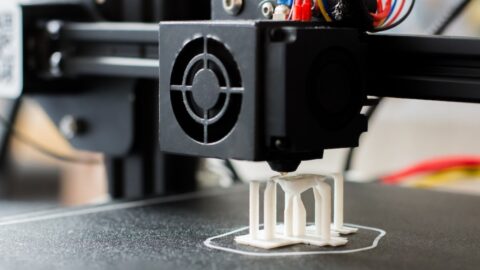
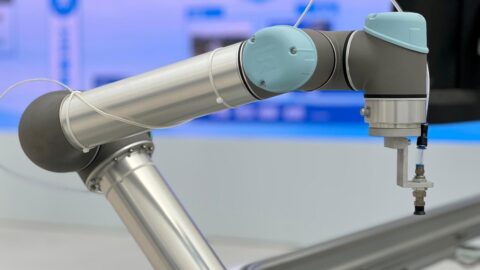
In fact, a survey by the Chamber of Commerce last year showed that many entrepreneurs are not yet familiar with smart industry either; 77% of entrepreneurs do not even know the term, a collective term for new technological developments (such as 3D printing and robotisation). This must change in the coming years, according to the steering committee. Other parties are also making efforts to integrate smart industry into Dutch industry. For instance, the Smart Industry Partners platform was recently established. Five parties - ErgoDesign, Hollander Techniek, University of Twente, Oost and consultancy firm Symbol - set up this network with the aim of sharing knowledge and best practices in the field of smart industry and helping organisations in the Netherlands apply Industry 4.0 techniques.
The website says: "SMART Industry offers many opportunities for Dutch companies. The Netherlands is innovative, has a high-quality industry and has a unique position in Europe when it comes to logistics. This puts the Netherlands in a good position to lead the way in the new Industrial Revolution SMART Industry. You may get the impression that this is a science fiction vision, but it is important to stress that all technological elements are already available today and that technological progress is ahead of their application. So the future being talked about can start today."
Soon you will read more about Smart Industry Partners and what the platform can do for the manufacturing industry.
By: Kelly Bakker
Photos: SmartIndustry.co.uk