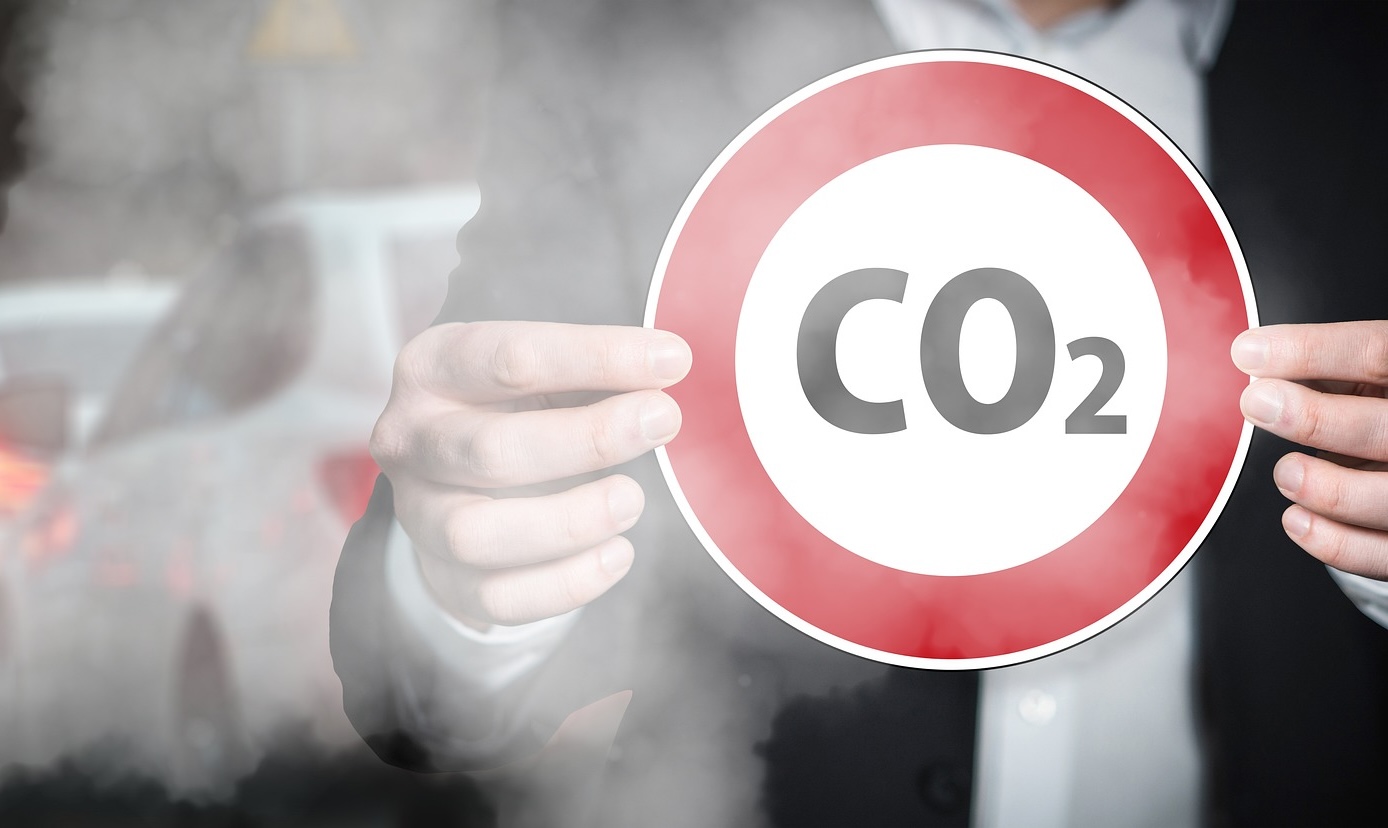

The Czech Republic joins Italian protest against the threat of fines for European carmakers failing to meet increasingly stringent European CO2 targets. The disappointing performance of the EV market threatens carmakers with fines when they would be better off spending this money on producing cleaner cars.
Cars sold by carmakers in the European Union (EU) will be allowed to emit only 94 grams of CO2 per kilometre on average next year. This limit currently remains at 118 grams. Manufacturers that fail to meet this requirement will pay a fine of €95 for each gram of CO2 above the standard per car sold. As a result, the total fine amount can be substantial and could amount to millions of euros for a large car manufacturer.
Many carmakers threaten to miss target
An earlier analysis by Dataforce, reported by Automotive News in August, indicates that many car manufacturers are at risk of failing to meet this target. For example, the average emissions of cars sold by Volkswagen currently stand at around 125 grams, whilst those of Ford are 123 grams. Renault-Nissan-Mitsubishi (114 g) and Stellantis (113 g) also have work to do. Only two manufacturers appear to already meet the standard: Geely and Tesla.
Electric vehicle (EV) sales can make an important contribution to reducing the average CO2 emissions of vehicles sold. However, due to disappointing performance of the EV market, many carmakers risk failing to meet the target.
Italy is also sounding the alarm
Italy had previously sounded the alarm on this issue. Back in September, the Italian government strongly criticised both the European fines for car manufacturers’ excessive average CO2 emissions and the EU-wide ban on the sale of petrol and diesel cars from 2035.
The Czech Republic has now joined in this criticism. Martin Kupka, the Czech Minister of Transport, described the imposed limit as unrealistic on Czech broadcaster CNN Prima News. Kupka points out that interest in EVs in the EU has fallen significantly. He argues that when the limits were drawn up, a 20 per cent increase in EV sales was factored in, whereas in reality sales have fallen by 8 per cent.
Counterproductive
Kupka also warns that CO2 fines could actually backfire. It means manufacturers spend a lot of money on fines, when, according to the minister, they would be better off spending this money on developing cleaner vehicles like EVs. And that, according to Kupka, is precisely what is needed if the EU targets are to be met in the future.
Luca de Meo, chief executive of Renault and president of the European Automobile Manufacturers Association ACEA, also sounded the alarm in September. De Meo claimed that European manufacturers are collectively at risk of incurring some €15 billion in fines. To avoid these fines, they would have to pay a total of some 2.5 million cars less. This is equivalent to about a quarter of the total European new car market in 2025.
Call for joint action
Czech Prime Minister Petr Fiala and his Italian counterpart Georgia Meloni intend to join forces against the fines, calling on EU member states at an informal meeting in Hungary to take joint action against the applicable CO2 limits. Kupka also claims that German finance minister Robert Habeck would also be in favour of easing CO2 requirements. This is striking, as Habeck is precisely known as a strong supporter of EV development.
European Commissioner for Climate Action Wopke Hoekstra, however, has no intention of lowering the CO2 targets for the car industry. Hoekstra told the European Parliament that it is necessary to stick to the targets in order to create a predictable investment climate for car manufacturers, reports Reuters.
Author: Wouter Hoeffnagel
Image: Gerd Altmann via Pixabay








